
Why "Attainable Luxury" Matters to the Future of Development
The language used in development shapes more than marketing.
It shapes expectations. It shapes investment. And ultimately, it shapes how communities themselves are designed.
For decades, “affordable housing” has often been positioned as a necessary category within development conversations. While the intent behind affordability remains important, the language itself has too often become associated with compromise, limitation, or reduced quality in the public imagination.

At TDJREV, we believe the future requires a different conversation.
One centered around attainable luxury.
Attainable luxury reflects a philosophy that people deserve thoughtfully designed environments regardless of income bracket or stage of life. It recognizes that quality of life should not be considered an exclusive privilege reserved only for high-income communities.
This is not about extravagance. It is about intentionality.

Intentionality in architecture, planning, and community experience.Intentionality in how developments support wellness, connection, dignity, and opportunity.
Historically, many developments focused primarily on delivering units as efficiently as possible. But the next generation of development must think beyond quantity alone. It must consider the emotional, social, and human impact of the environments being created.
Because people do not simply occupy communities. They experience them.
The quality of streetscapes affects mood and movement. Shared gathering spaces influence connection. Access to technology affects convenience and opportunity. Walkability impacts health and engagement. Community design can either create isolation or encourage belonging.
These details matter profoundly. That is why TDJREV approaches development through frameworks like the Built-Blue BLUPRNT philosophy, integrating intentional design principles that support long-term quality of life for residents and surrounding communities alike.
The concept of attainable luxury is especially important in today’s housing environment, where rising costs continue pushing many buyers and renters into difficult choices. Increasingly, people are searching for communities that provide both accessibility and aspiration.
They do not want environments that merely meet minimum standards.
They want places that feel thoughtful, dignified, human.
This shift is not cosmetic. It represents a larger evolution in what successful development will mean moving forward.
At TDJREV, development is viewed as an opportunity to create transformational ecosystems. Through the integration of the TD Jakes Foundation, workforce development and opportunity become part of the conversation. Through Good Soil, entrepreneurship and local economic participation are encouraged. Through intentional partnerships, technology, wellness, and community engagement are woven directly into the resident experience.
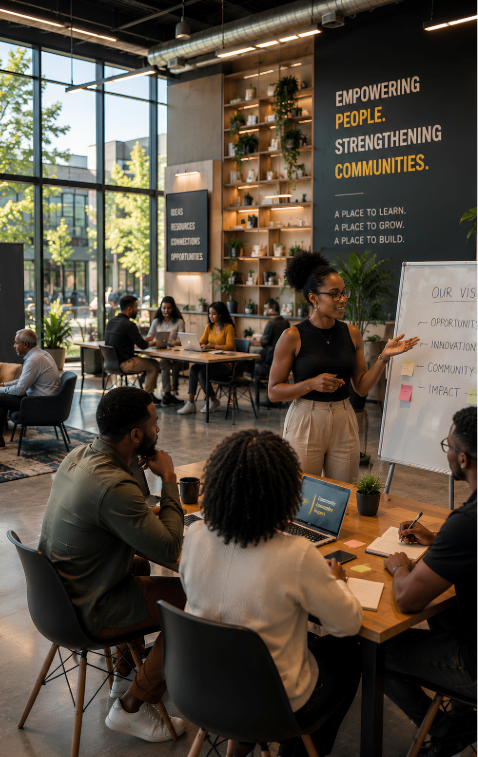
The result is a broader vision for what development can become. Not simply construction but community elevation.
Attainable luxury ultimately challenges the assumption that people must choose between accessibility and quality of life. It argues that intentional development can and should deliver both.
Because the future of real estate is not simply about building more.
It is about building better.
And the communities that succeed in the years ahead will be the ones designed around people first.

Comments